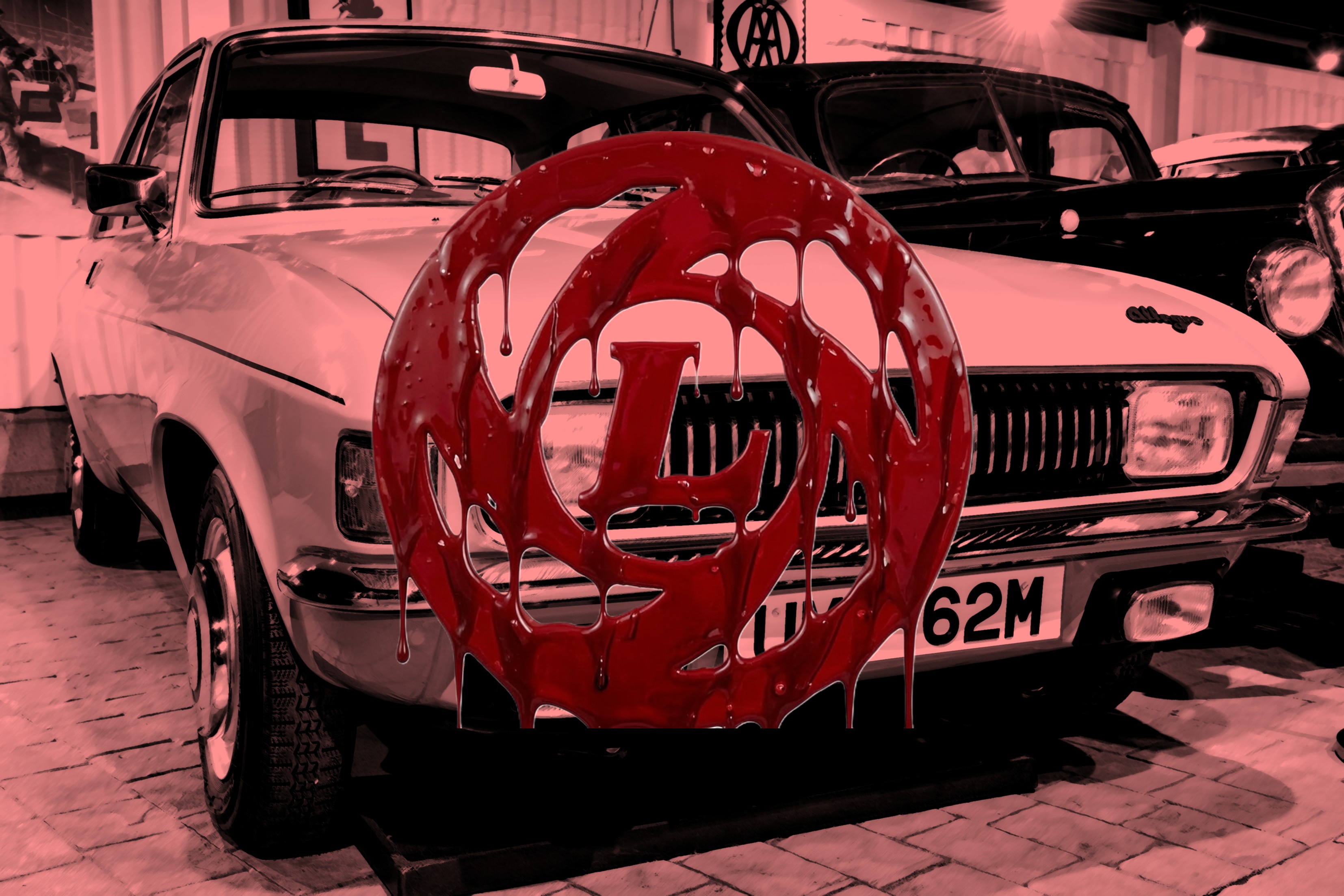


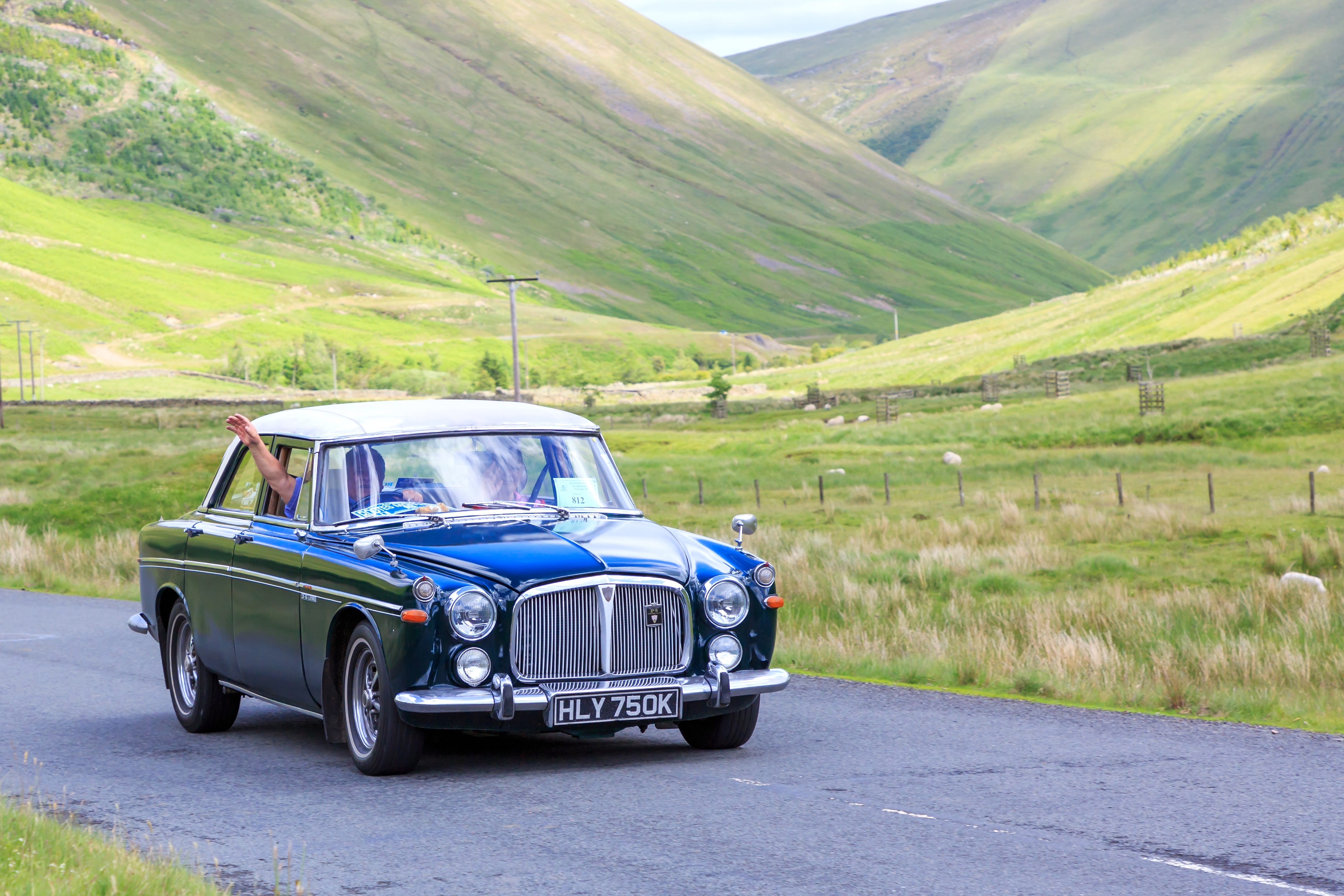

No formal car has ever filled the shoes of the Rover 3.5-litre saloons that served the Wilson, Heath, Callaghan, and Thatcher governments so faithfully between 1968 and 1981.
Today, I’m not sure anybody notices what current government officials are driven in, but the 1967-73 Rover 3.5-litre saloon seemed born to be the car of state. Dignified yet comfortable, they fulfilled a sensitive job at a time when national events were playing out in real time on fuzzy television screens. For thirteen years they were an almost nightly TV fixture, sweeping into Downing Street as the dramas of the day unfolded in a seventies world of strikes and terrorism.
Priced under £2000 (with power steering and automatic transmission), the Rover slipped into the role of ministerial barge in the late sixties with hardly a ripple of comment. Rival British candidates were few and far between, deemed too expensive (Rolls Royce), or too flashy (Jaguar). The first Government P5B, complete with extra-large ashtray for Harold Wilson’s pipe, was supplied to the Ministry in January 1968. It was Wilson who, in 1975, made it policy that all outgoing PM’s should have an official car for life. The Rovers were only issued to more senior cabinet members: those in junior positions made do with Austins.
Ebony black, with a white coach line, and special interior items including a radio telephone, this model was not available to ‘civilians’. The Rover used by the sitting PM was armoured. Out of 20,600 3.5-litres built, about 500 were official cars, but only 50 were for the Government Car Service. Others were embassy vehicles or for high-ranking British military. Public sales of what would be the last traditional Rover car ended in 1973. It was thirsty and old fashioned but beautifully made and still had a following. Meanwhile the ministry 3.5-litres were gradually withdrawn from service and auctioned off between 1974 and 1982.
Probably the most famous is GYE392N. Built five years later, in 1973, it was one of a trio of ministry P5B’s that took part in the transfer of power on May 4th, 1979, when James Callaghan was ousted by the Conservatives with a 44-seat majority. Footage from the day shows GYE392N gleaming and stately in a scruffy post-winter-of-discontent London; burly 1970s coppers stop the traffic on the Mall to allow the new PM’s Rover to sweep unhindered through the famous gates. At the time, the Queen owned a P5B saloon as her private transport; it was allegedly her favourite car.
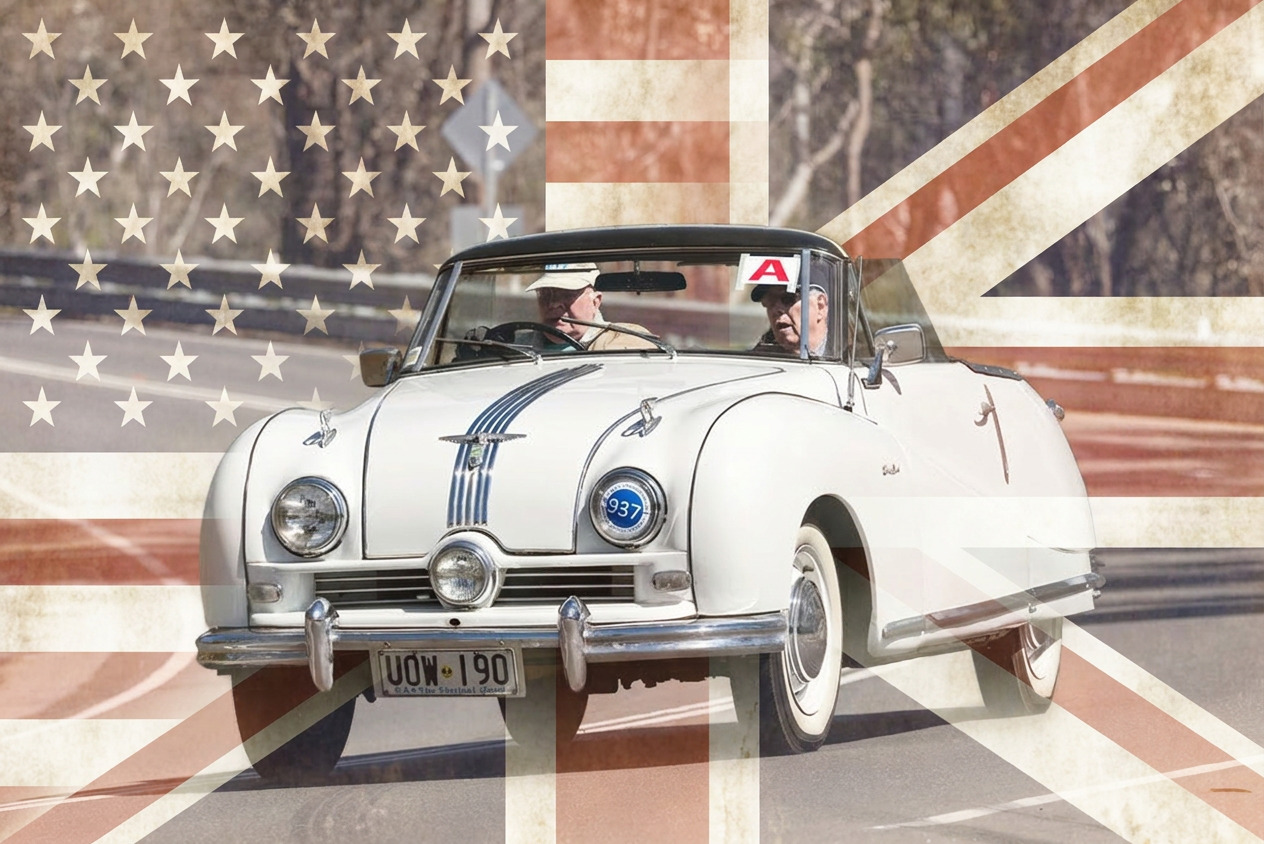
The Rover 3.5-litre saloon is still a superbly proportioned automobile with a commanding presence on the road. For a few hundred pounds more you could have had a rakish coupe version. It looked even better but was a little lacking in headroom for government use. If the saloon was magisterial there was something moody about the coupe, as driven by Richard Burton in Villain (1971). By seventies standards it would still have been a fast means of travel, for a politician, or a gangster trying to look respectable. Thatcher didn’t like to hang about when on official business and her diminutive driver George Newell was at liberty to get her to appointments as quickly as possible in the 115mph Rover.
The Rover is still one of the best-loved British classics. Once known as ‘the poor man’s Rolls Royce’ a really good one can be worth quite a lot more than one of the cheaper RR’s. It can also cost as much to restore if its rusty: they were famous for it. If you see a Rover 3.5 litre, look at the interior, which is really the glory of the car: leather, African cherry wood, and Wilton carpet. The detailing and quality of materials are superb; a reminder that the P5B’s avoided the taint of Leyland quality issues. With its massive armchair seats, it lives up to every ‘gentleman’s club on wheels’ cliché.
This is an environment where the pace of the world slows. The smooth, quiet engine is a design abandoned by American firm Buick: The ‘B’ in P5B stands for Buick. That a serving British premier of 1979 was being ferried around in a car that was almost a decade out of production had a significance that was probably not lost on Thatcher. Lovely as it was, the big Rover, once a product of the floundering BL colossus she was about to tackle head on, did not say the right things about the modern, go-ahead country she wanted to create for the eighties.
Yet, in the mind of the public, the Rover was a car that spoke of competence, solid values, and money well spent. It set the right tone, both nationally and internationally, that it proved almost impossible to replace. Perhaps it never really has.