






Money printing has cost you £36bn
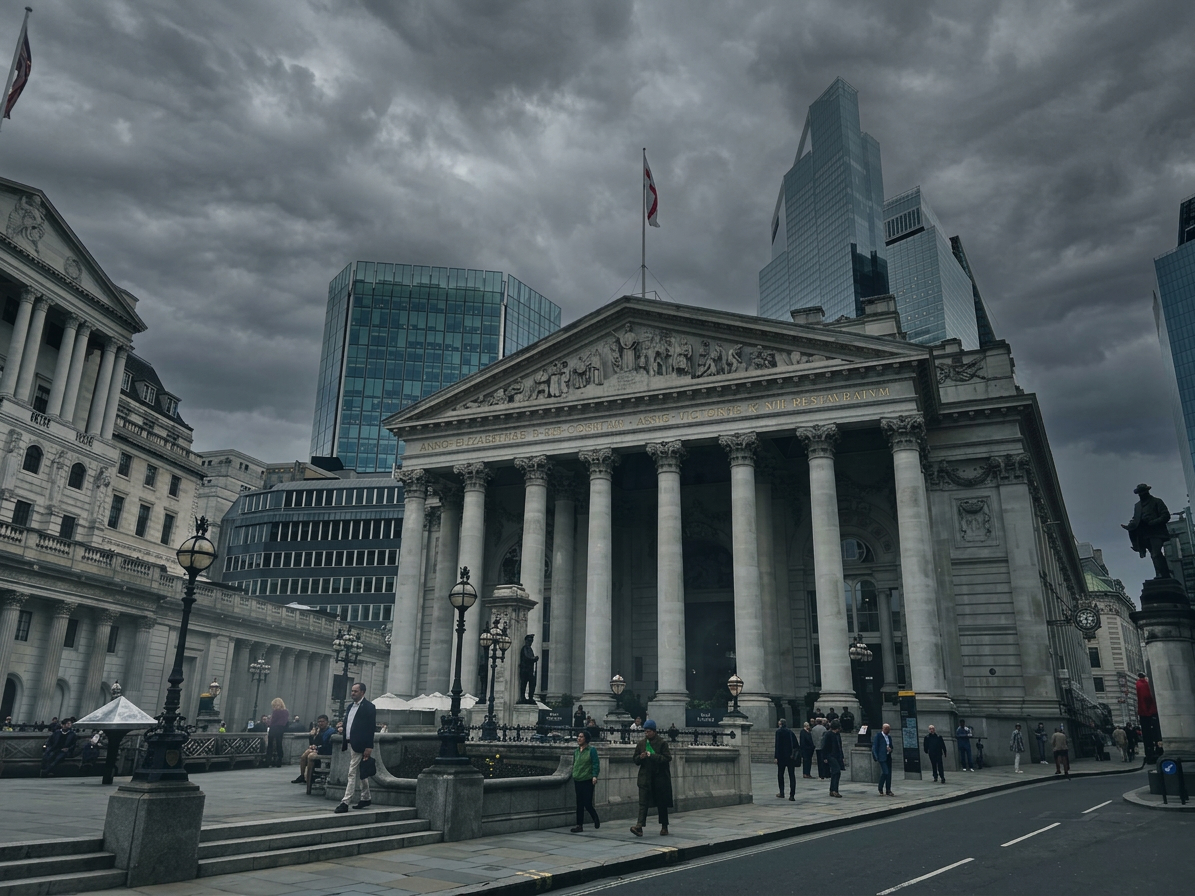
The losses come from the Bank’s decision to actively sell gilts it bought during the financial crisis and the Covid lockdowns, rather than simply waiting for them to mature. Every sale at below the purchase price crystallises a loss, and under a deal struck in 2008 the Treasury covers the bill.
Sanjay Raja, chief UK economist at Deutsche Bank, said long-dated gilts are now being sold back to investors at close to half the price the Bank originally paid. Bonds with more than 20 years left to run account for about £22bn of the losses. Sales of shorter-dated gilts have added a further £13.6bn, according to the Deutsche Bank analysis.
The cost has jumped by £13bn since March alone, driven by the Iran war pushing up oil prices and inflation expectations. Markets now expect the Bank to raise interest rates rather than cut them.
The Bank is winding down a £875bn pile of gilts it built up by creating money from nothing and using it to buy government debt. That stock now stands at around £523bn, according to the Bank’s own data. The policy of printing money to buy bonds was sold to the public as emergency support for the economy. The bill is now arriving.
Money printing and the cost of living
This is where most mainstream coverage stops, but the wider picture matters. Years of holding interest rates near zero and creating hundreds of billions of pounds out of thin air pumped up house prices, stock prices, and government debt. It also left the pound buying less in the shops. The so-called cost-of-living squeeze came from the printing presses at Threadneedle Street.
The Bank is the most aggressive major central bank in selling bonds before maturity. The US Federal Reserve and the European Central Bank have mostly let their bonds expire on their own. The Bank of England chose to sell into a falling market, locking in the losses faster.
Making the debt more expensive
A working paper published by the Bank this month found that its own sales had pushed up UK borrowing costs by around 40 basis points, close to half a percentage point. Bloomberg reported the staff finding on 2 June. Ultimately, the Bank’s selling is making it more expensive for the government to borrow, at a time when the national debt is about to cross £3 trillion.
Yields on 30-year UK gilts hit 5.82% last month, the highest level since 1998. Public sector net debt stood at around £2.87 trillion in April, or 94.2% of GDP, according to the Office for National Statistics.
The Bank’s own updated figures last month put the total lifetime cost of the money-printing programme at around £175bn. Every penny of that comes from taxpayers through the Treasury indemnity.
A scandalous waste
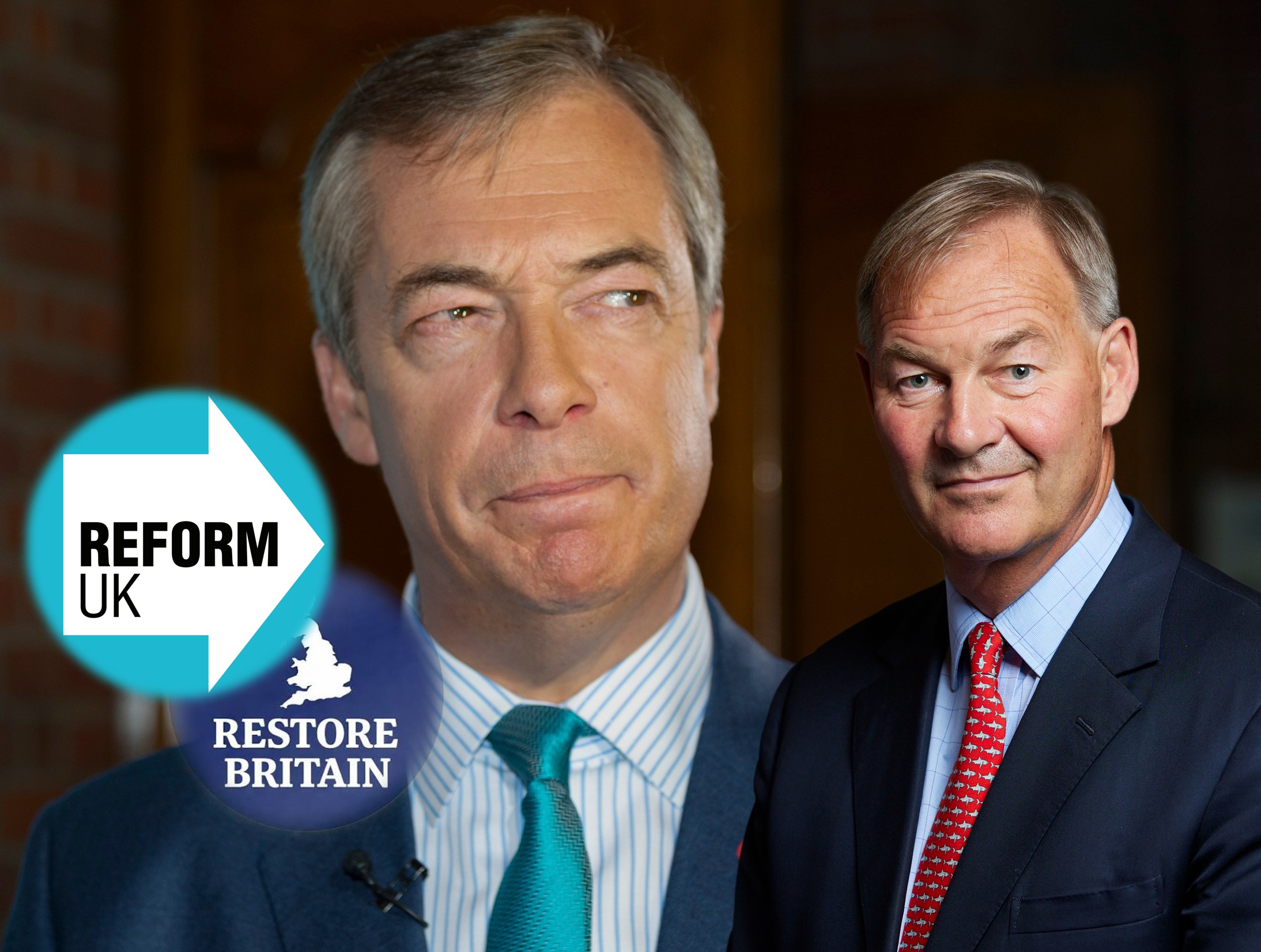
Richard Tice, the deputy leader of Reform UK, called the policy ‘a scandalous waste of taxpayers’ money’. He said Reform would stop active sales immediately. ‘Think about what this Government could do with £36bn? That pays for your whole defence strategy,’ he said. John Healey resigned as defence secretary yesterday, saying that Starmer’s military spending plans ‘fall well short’.
Andrew Bailey, the Bank’s governor, has previously argued that the losses would be the same whether the bonds are sold now or held to maturity. Active sales crystallise the damage immediately and push up borrowing costs across the board. The Bank and the Treasury declined to comment.
The original Telegraph report did not explain that the £875bn stockpile was funded by money the Bank created from nothing, nor that the same policy is a primary driver of the inflation now squeezing household budgets.