





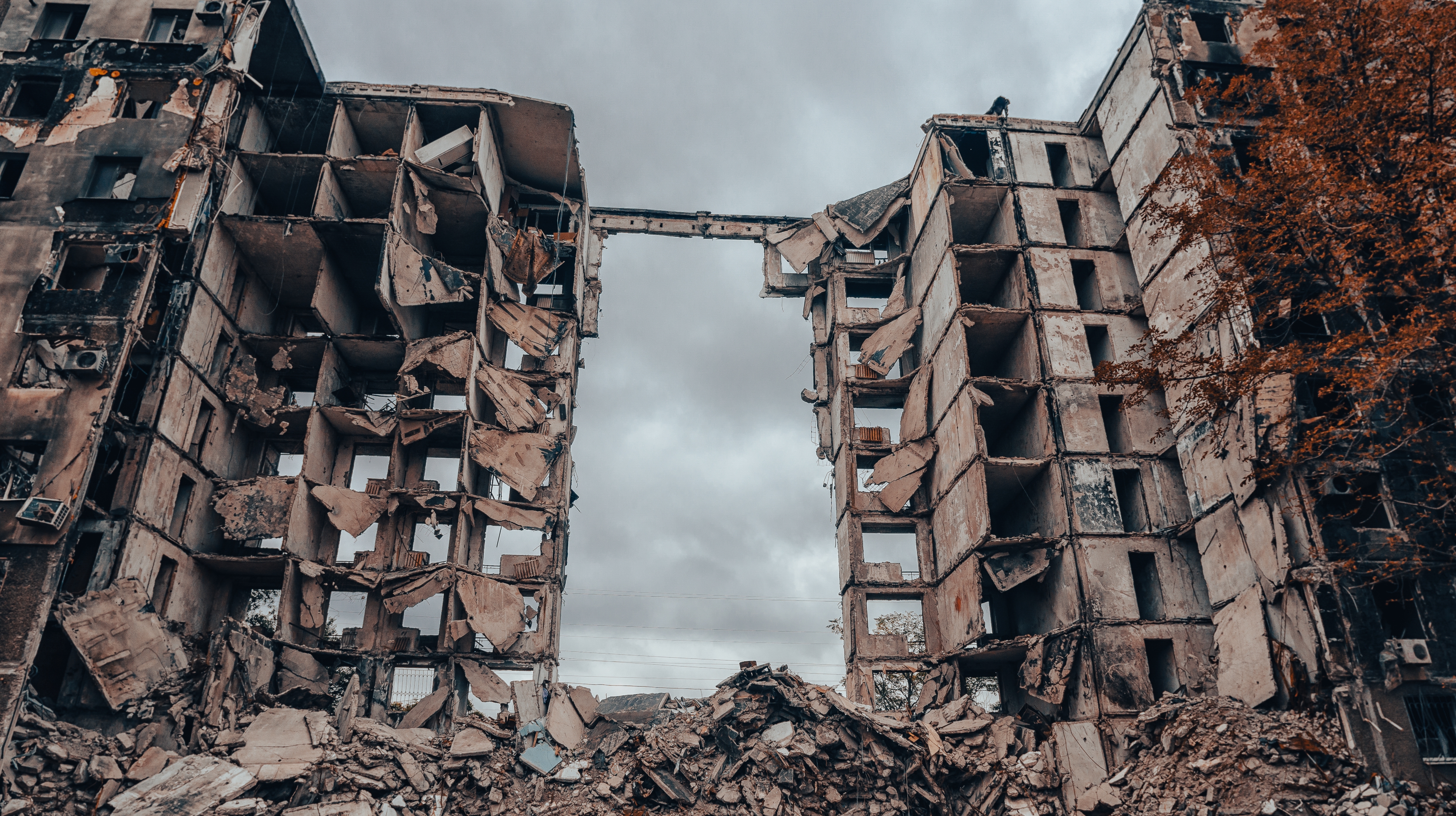

Russia remains resilient despite mounting costs
The conflict in Ukraine has evolved into a protracted war of attrition, one in which Russia has demonstrated a surprising capacity for endurance.
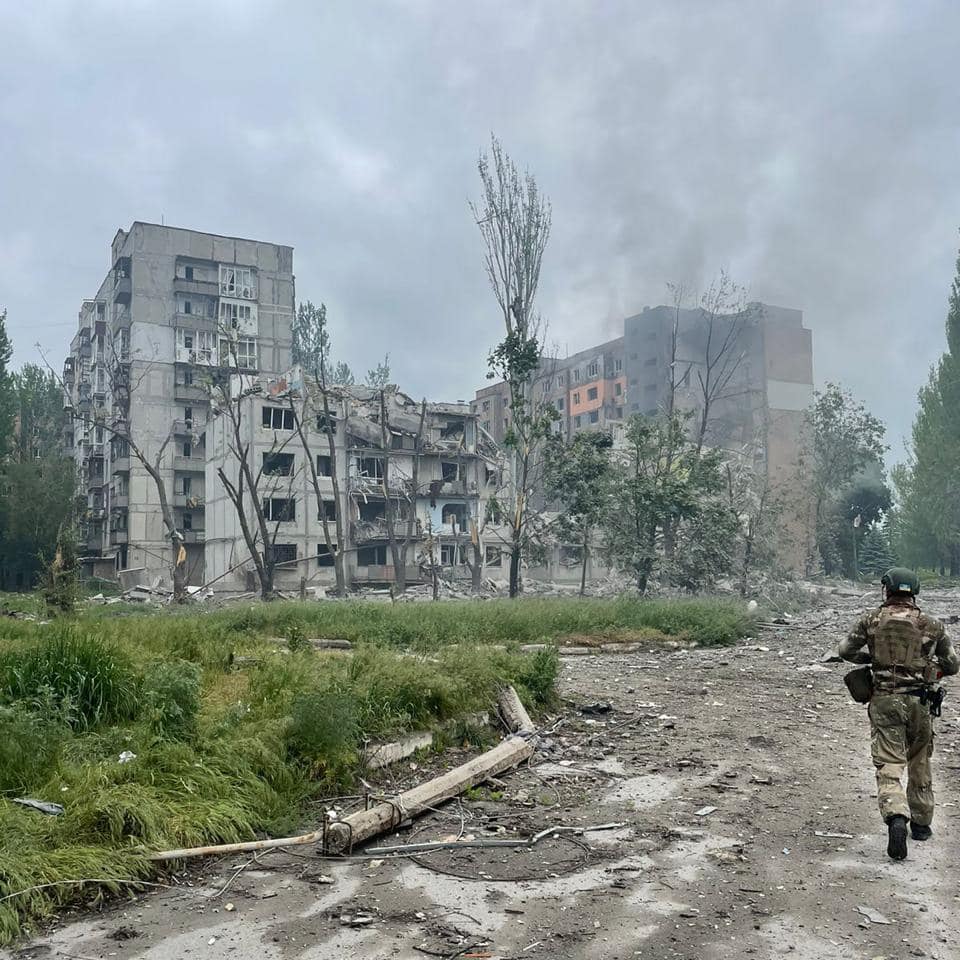
Far from collapsing under the weight of Western sanctions and Ukrainian resistance, Russian forces have maintained operational tempo, albeit at a pace that reflects the brutal mathematics of modern conventional warfare. Advances have been incremental, often measured in hundreds of meters per day in key sectors such as around Pokrovsk. Yet, they have continued despite extraordinarily high human costs. Estimates of Russian casualties, drawing from a range of Western and open-source analyses, place total losses in the vicinity of 1.2 million killed, wounded, and missing by the end of 2025, with hundreds of thousands more incurred in subsequent months. These figures represent losses on a scale not seen by a major power since the Second World War, underscoring both the intensity of the fighting and Russia’s willingness to absorb punishment.
At the same time, it would be a mistake to portray Russia as militarily impotent or on the verge of defeat. The Russian military has adapted to the realities of a contested battlefield by shifting emphasis toward massed artillery, glide bombs, and increasingly sophisticated drone operations. Production of munitions and equipment has been increased through a combination of domestic mobilisation and imports from partners such as North Korea and Iran. This adaptation has allowed Russian units to sustain pressure on Ukrainian lines even as they face modern Western-supplied systems, including artillery, air defences, and precision munitions. The result is a grinding contest in which Russia has secured limited territorial gains while imposing significant costs on Ukrainian forces, whose own casualties are estimated in the range of 500,000 to 600,000 over the same period.
Economically, Russia has weathered the storm better than many early predictions suggested. Initial contraction in 2022 gave way to growth fuelled by wartime spending and redirected trade flows, particularly toward China and India. Oil and gas revenues, rerouted through alternative markets, have helped finance the effort. However, this resilience comes with visible strains. Growth slowed markedly in 2025 to around 1% or less according to various assessments, with forecasts for 2026 remaining subdued amid labour shortages, high inflation, and the distorting effects of a war economy. Manufacturing in non-military sectors has faced headwinds, and long-term technological isolation from Western components poses risks to future competitiveness. The Kremlin’s budget has run substantial deficits as military outlays consume an ever-larger share of resources.
The broader strategic picture suggests that Russia that is neither as feeble as some narratives claim nor as invincible as its own propaganda asserts. It possesses the resources and will to continue fighting for the foreseeable future, yet each month of attrition erodes its overall strength. For Ukraine and its supporters, the challenge lies in maintaining pressure without triggering uncontrolled escalation. Russia has shown it can absorb pain; the question remains how much more it can endure before internal or external dynamics force a reassessment. American leadership in coordinating sanctions and security assistance has played a meaningful role in raising those costs, demonstrating the value of sustained alliance cohesion in supporting a partner under duress.
Neither side appears poised for rapid resolution, and the path forward will likely depend on continued Ukrainian resolve, Western support, and Russia’s capacity to manage the domestic consequences of prolonged conflict.