






We can rebuild unity eroded by years of hesitation
Since moving to the United States in 2008, I’ve been inspired by the unapologetic pride that Americans take in their flag. From front porches to public buildings, the Stars-and-Stripes is a constant, vibrant symbol of unity. Every morning, I watch my children recite the Pledge of Allegiance at school, a simple yet powerful act that reinforces their connection to their nation and its values. It’s a daily reminder of shared identity, flown and honoured without hesitation. In the United Kingdom, however, our flags, the Union Jack, the St George’s Cross, the Saltire, the Red Dragon, the Red Hand of Ulster, and Overseas Territory or Dependency flags like the Flag of Gibraltar, the Flag of the Isle of Man, and the Flag of Jersey, have too often been sidelined, muted by historical guilt, political timidity, and misplaced associations. I’m heartened to see a renewed desire to fly these flags with pride, and it’s time to seize this moment to restore national and local cohesion.
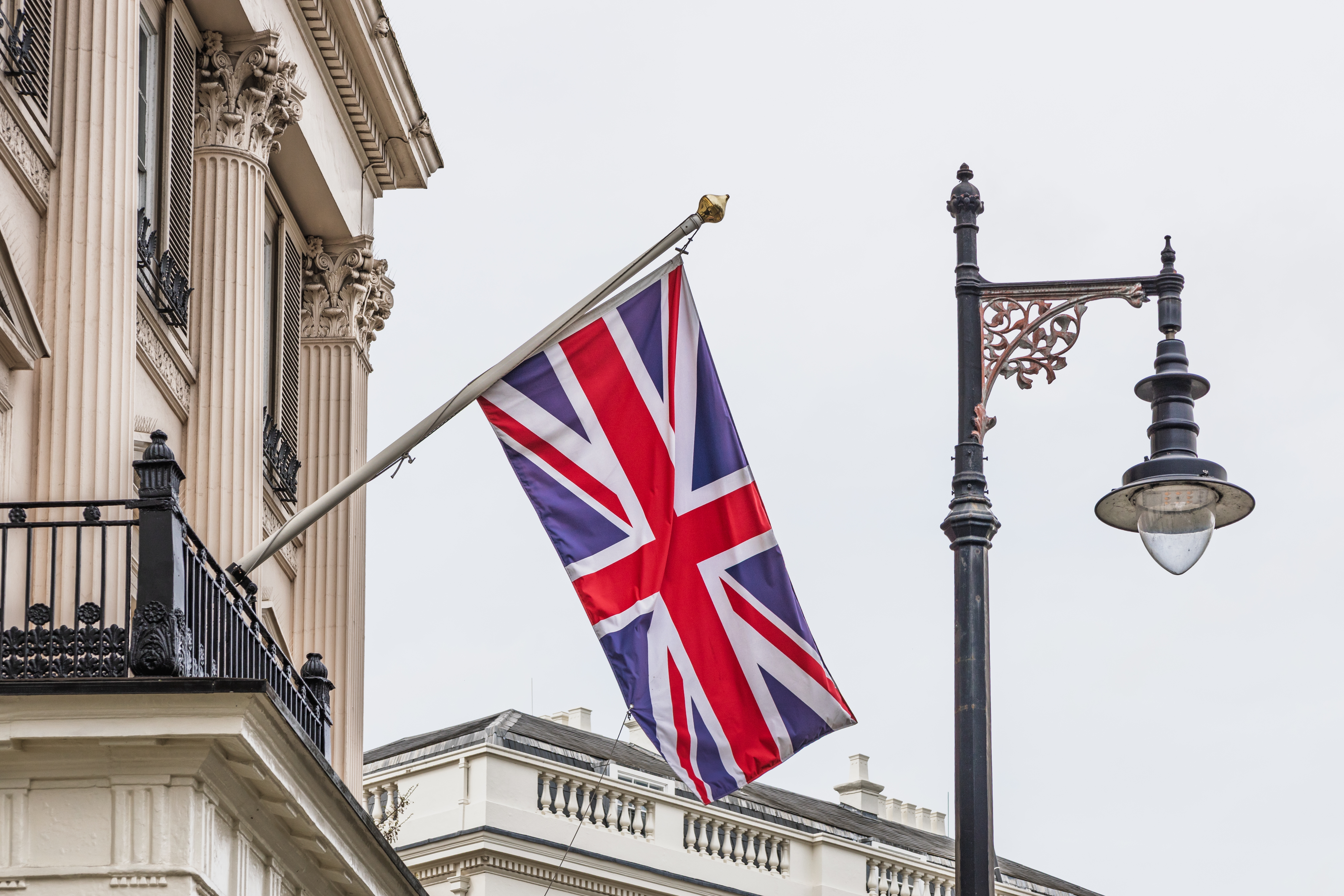
First, the UK must enact clear laws ensuring that only the recognised flags are flown from government property. This includes public buildings, lamp posts, town halls, and other state-owned spaces. These flags represent our sovereignty, shared identity, and the rich diversity of our nations and territories. Allowing foreign flags or unrelated symbols to compete for space dilutes this unity and creates visual confusion. In the US, the Stars-and-Stripes dominates federal spaces, with state flags complementing it in their proper context. Similarly, the UK should ensure that recognised flags are proudly displayed in all government settings. This approach celebrates both our national unity and our regional diversity.
Second, the UK must urgently decouple nationalism and regional pride from the toxic stigma of racism. For too long, successive governments, Labour and Conservative alike, have allowed this false equivalence to fester. The failure to promote a healthy, inclusive patriotism has left a vacuum filled by division. The recognised flags should be symbols that every Briton, regardless of background, can rally behind. Yet decades of spineless shame, driven by apologists fixated on the darker chapters of our history, have stifled this possibility. The result is a lack of integration, with communities living parallel lives rather than uniting under shared national and regional identities.
This isn’t about erasing history’s complexities. Britain’s past, like any nation’s, has triumphs and flaws. But endlessly apologising for empire or shying away from our flags out of fear of offence has hindered unity. It has emboldened division while alienating those who simply want to feel proud of their nation or region. Flying the Union Jack and regional flags isn’t a rejection of diversity, it’s an invitation to embrace a common identity. It says to every citizen: these are your flags, your nation, your home.
To further this unity, the UK should adopt a daily pledge of allegiance in schools, modelled on the American practice in which I’ve seen my children participate. This pledge would affirm loyalty to the United Kingdom and its values, while respecting the distinct identities of each territorial component. It could be a simple statement, recited in the presence of the Union Jack or regional flags, fostering a sense of belonging from a young age. Such a practice would teach children that their national and regional identities are sources of strength, not division.
The resurgence of flag-waving across the UK is a hopeful sign. It reflects a growing recognition that national and regional pride isn’t inherently exclusionary. But this momentum needs policy to sustain it. Beyond mandating the Union Jack and regional flags on public property and introducing a daily pledge in schools, the government should launch campaigns to promote their positive symbolism, celebrating British values like fairness, resilience, and innovation, as well as the unique identities of England, Scotland, Wales, Northern Ireland, territories and dependencies. Schools should teach children the history and modern meaning of these flags as unifying forces. Politicians must stop cowering before accusations of ‘jingoism’ and champion a patriotism that welcomes all who call Britain home.
In the U.S., I’ve seen how a flag and a pledge can bind together a diverse nation through shared pride. The UK can achieve the same. By flying the Union Jack and local flags, by introducing a daily pledge of allegiance in schools, and by redefining nationalism and regional pride as forces for inclusion, we can rebuild unity eroded by years of hesitation. It’s time to stop apologising and start celebrating. Our flags and our pledge are a start, symbols and acts that say, unequivocally, this is who we are.