






Asda cuts 7,500 jobs as debt bill hits £730m
Asda has cut nearly 7,500 jobs in a year while the interest bill on its debts hit a record £730m, according to the supermarket’s annual report.
The job losses took the total workforce down by 7.5% to around 91,400 people. Pre-tax losses reached nearly £1bn for the year to December 2025, up from £599m the year before, as reported by Reuters.
The interest bill jumped by a fifth, from £611m in 2024 to £730m in 2025. Asda has now spent close to £2.2bn servicing the loans taken out to fund its £7bn takeover by private equity firm TDR Capital and the Issa brothers in 2021, the Telegraph reported. In the year before that deal, the annual interest bill stood at just £90m.
The takeover in 2021 was a leveraged buyout. That means the buyers borrowed most of the purchase price and loaded the debt onto Asda itself. The supermarket, not the new owners, has to pay the interest. That bill has now grown eight times over in five years.
Asda’s UK grocery market share has fallen from 14.3% at the time of the TDR buyout to 11.5%, its lowest level in three decades
When the deal was done in 2021, the Bank of England had held interest rates near zero for over a decade and created hundreds of billions of pounds out of nothing. Borrowing was cheap. Private equity firms across the country used that cheap money to buy up British businesses. When the Bank was forced to raise rates to try to slow the inflation its own money printing had caused, the interest bill on all that debt exploded. Asda’s customers, staff, and suppliers are now paying for it.
That same money printing is why food prices rose so sharply from 2021 onwards. The pound bought less. Shoppers noticed and started switching to supplies such as Aldi and Lidl. Asda’s UK grocery market share has fallen from 14.3% at the time of the TDR buyout to 11.5%, its lowest level in three decades, according to Consumer Edge data. Aldi now sits at 10.7%, snapping at its heels.
Around 1,000 more jobs are set to go as Asda moves its George clothing online operation to a single warehouse in Derby run by DHL. About 1,250 staff will transfer, but only 250 roles will remain. The rest of the work will be done by robots, ITV News reported.
Rachelle Wilkins, a national officer for the GMB union, said: ‘A thousand people losing their jobs to be replaced by robots sounds like something from a dystopian sci-fi movie, but the warehouse industry is becoming increasingly automated.’ She added that members feared the same approach could hit the online food shopping network next.
Hundreds more staff were let go after the completion of Project Future, a four-year programme to separate Asda’s IT systems from former owner Walmart. The project cost £1.2bn in total, with a further £284m charge booked in 2025 alone, The Grocer reported.
Hundreds of jobs also went when Asda sold the Leon fast-food chain back to co-founder John Vincent in late 2025, according to The Grocer. Leon’s sales had fallen almost 4% to £62.5m in its final year under Asda, with pre-tax losses of £8m.
Retail veteran Allan Leighton was brought back as chair in 2024 to try to turn things around, having led Asda’s revival in the late 1990s. He faces a harder job this time. Asda was the only major supermarket whose sales fell during the May heatwave and the opening weeks of the World Cup, NielsenIQ figures show.
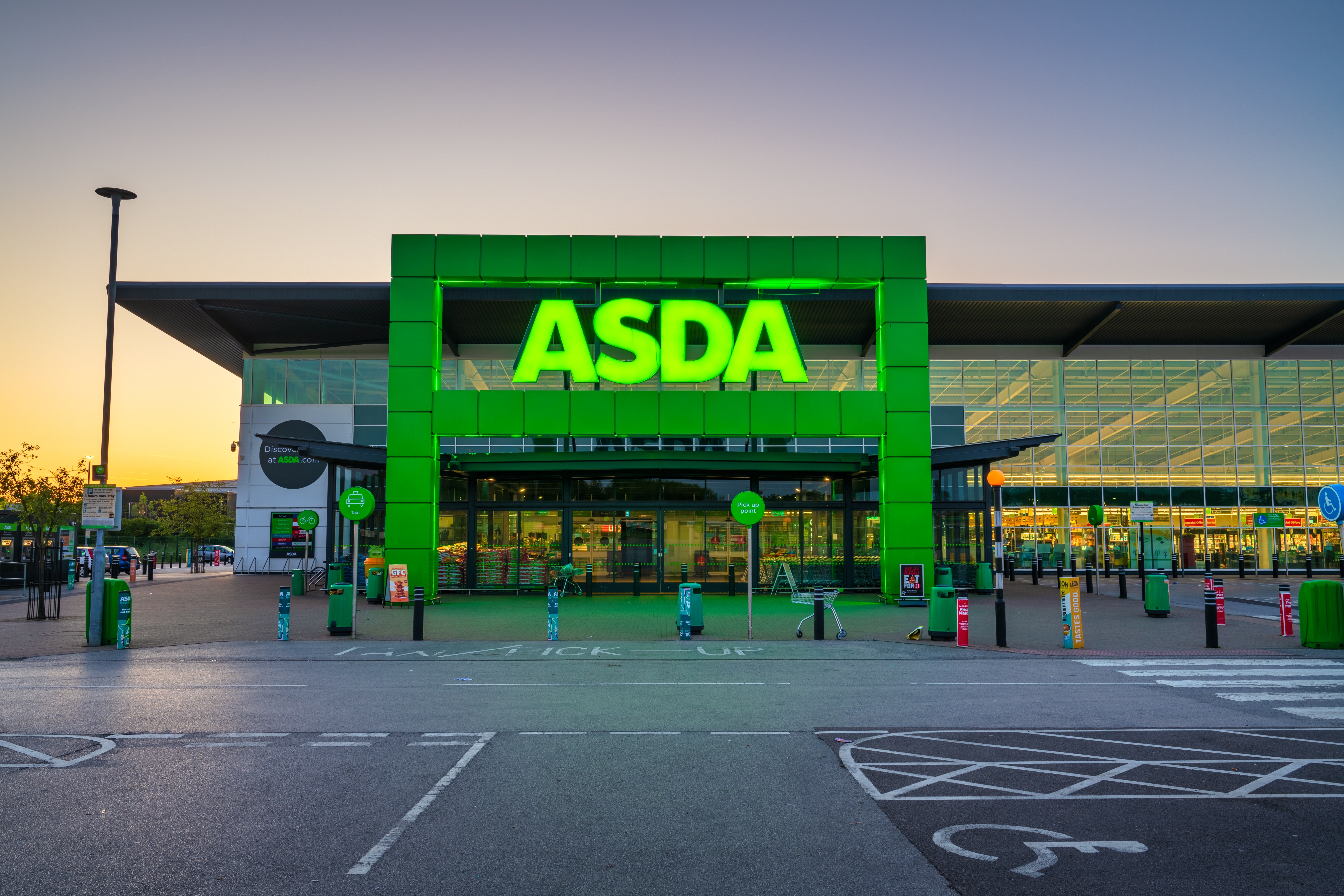
An Asda spokesman said the headcount cuts were driven by Project Future and the Leon sale, not by finance costs. He added the company had £1.3bn in cash and £2.1bn of total liquidity at year end, and that its debt was largely secured well into the next decade.
The BBC’s earlier reporting on Asda’s redundancy rounds did not explain the link between the Bank of England’s cheap money era and the private equity debt now crushing the business.