




Bank of England expected to hold rates at 3.75% this month as inflation heads towards 4%
Bank of England Governor Andrew Bailey has said cutting interest rates is ‘off the table at the moment’, a clear signal that rates will stay at 3.75% at this month’s meeting.
Speaking at the European Central Bank forum in Sintra, Portugal, on 1 July, Mr Bailey said: ‘There was an expectation that we would cut rates this year. That was off the table in March, and it’s off the table at the moment.’
The Bank’s rate-setters voted 7-2 on 18 June to hold rates at 3.75%, according to the official minutes. Two members wanted a rise to 4%. Rates have been held at 3.75% since December 2025.
Mr Bailey said he had not voted for a rise this year because the economy is weakening. ‘We’ve got a softening economy, so we’re seeing a softening labour market, we’re seeing some softening of activity. We had that before the hostility broke out in the Gulf’, he said.
Inflation stood at 2.8% in May. The Bank expects it to climb towards 4% later this year as higher energy costs feed through to households and businesses.
Mr Bailey blamed the war in Iran for forcing the pause on cuts. The war has pushed up oil and gas prices. But wars do not make the pound buy less. Money printing does. The Bank created hundreds of billions of pounds from nothing and held rates near zero for more than a decade. That flood of cheap money pumped up house prices and stock prices, left the economy fragile, and set the stage for the inflation that followed. The energy shock is an accelerant, not the root cause. Every extra pound created makes the pounds in your pocket worth less.
he is describing a fire his own institution helped light
The Bank is not a neutral referee in this. It is the institution whose policies caused the problem it is now trying to manage. When Mr Bailey says he does not want inflation to ‘become embedded’, he is describing a fire his own institution helped light.
Households will feel the energy pain regardless. Ofgem, the energy regulator, raised the price cap on annual household bills by £221 to £1,862 after the surge in oil and gas prices. The new cap runs from 1 July to 30 September. The cap does not stop the cost reaching households. It only delays it. Mr Bailey admitted as much, noting the cap means the impact of soaring gas prices on inflation arrives late rather than not at all.
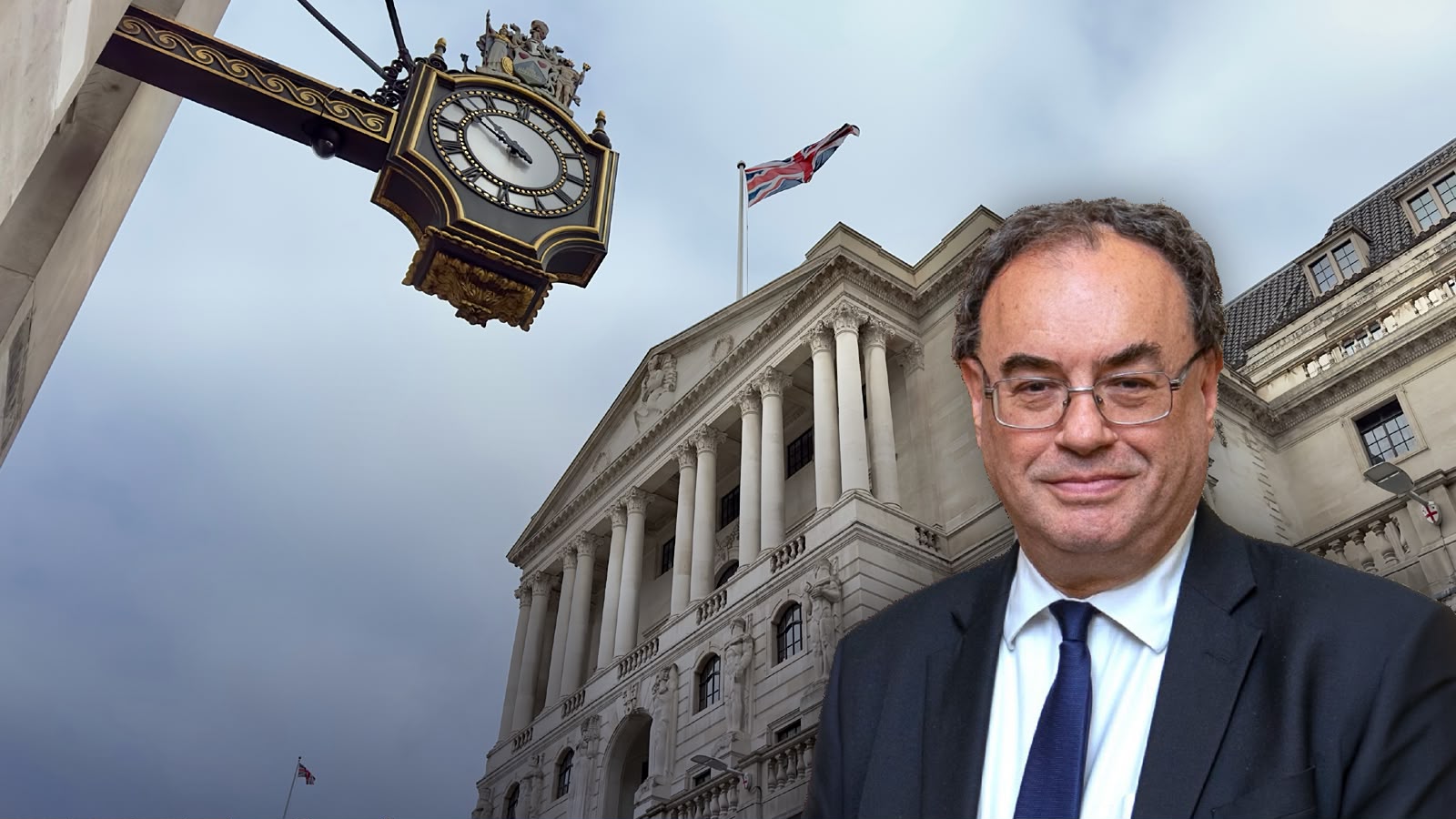
Mr Bailey said the Bank is watching for knock-on effects. ‘We’re very focused on the risks of pass-through of the energy prices to indirect effects, and things like food prices and the second round effects’, he said.
The Bank’s rate-setters meet next on 30 July. Mr Bailey said they ‘will be looking at all the evidence again’. Financial markets expect rates to stay at 3.75% for the rest of the year.