






Prices are still falling, shoppers have stopped spending, and local governments are running out of money
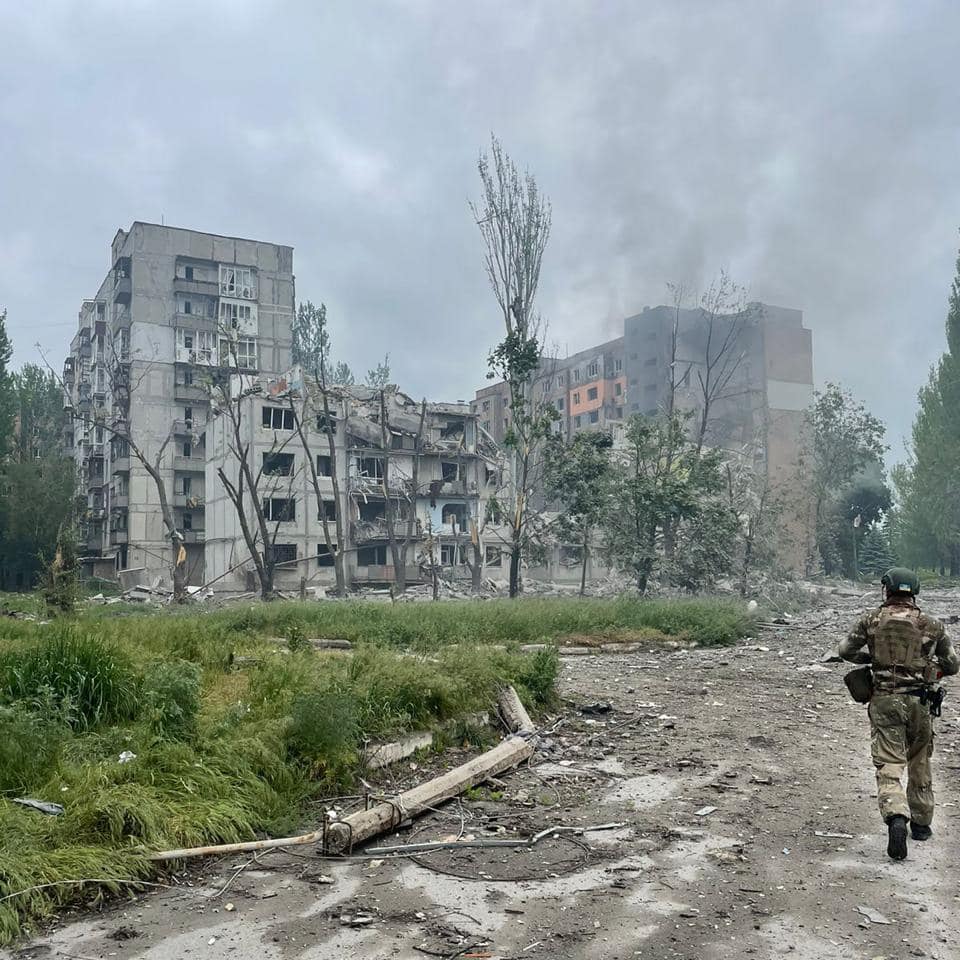
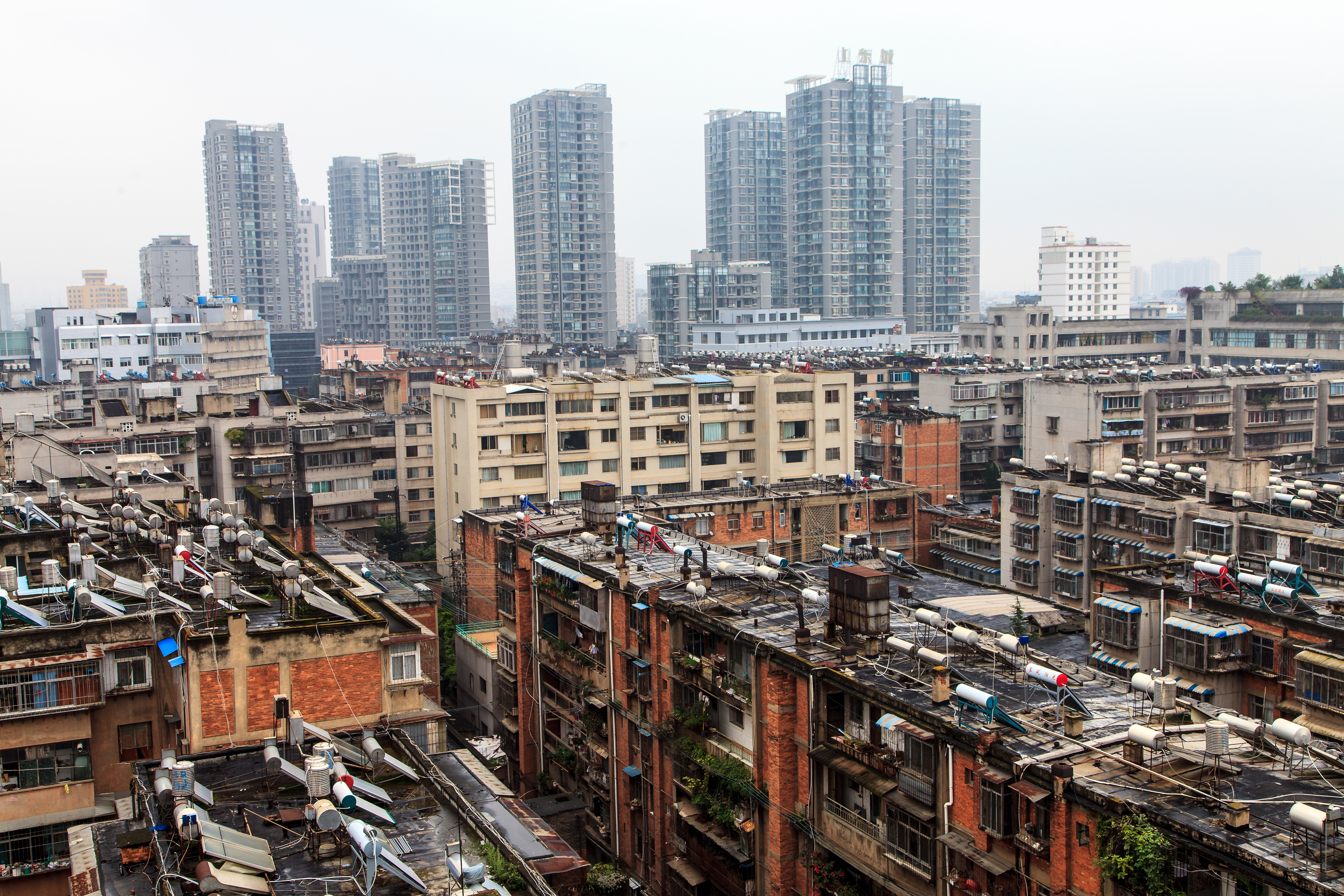
China’s property crash has entered its fifth year. Prices are still falling, construction has collapsed, and by some estimates 90 million homes stand empty across the country.
New-home prices fell 3.7% in 2025 and analysts expect a further 2.8% drop this year, according to a Reuters poll of property analysts. The slide began in late 2021, when the giant developer Evergrande collapsed under its debts. It has not stopped since.
How many homes are really standing empty
Official figures for the first months of 2026 show the scale of the collapse. New construction starts fell by around 22% year on year. Completions dropped by roughly a quarter, and property investment fell by as much as 18%, Asia Times reported.
Depending on whether unfinished projects are counted, estimates range from 50 million to more than 100 million, according to Atlantic Council analysis.
Property makes up around 70% of household wealth in China. When house prices fall, hundreds of millions of families feel poorer, and they behave like it.
Developers keep falling over. It is not just private firms. State-linked giants such as China Vanke have faced severe cash shortages and restructuring pressure.
Why Chinese families have stopped spending
Property makes up around 70% of household wealth in China. When house prices fall, hundreds of millions of families feel poorer, and they behave like it.
Consumer confidence sits near historic lows, at around 89 points on the official index, Trading Economics data shows. Retail sales fell 0.6% in May, the first annual drop since late 2022, CNBC reported. Prices across the economy have flirted with outright deflation as demand stays weak.
Beijing’s zero-Covid lockdowns in 2022 and 2023 made matters worse, crushing buyer confidence just as the slump was gathering pace.
The cheap-money boom that caused the crash
The crash is not the moment things went wrong. Things went wrong years earlier, when cheap loans and state-directed lending made building flats nobody needed look like a one-way bet. At its peak, property and its supply chains accounted for as much as 30% of China’s entire economy.
Local government debt hidden off the books
Land sales once provided 30% to 40% of local government revenue. That income has dried up, and provinces across China are reporting shortfalls.
Worse, their financing vehicles carry interest-bearing debt estimated at 40 to 65 trillion yuan, roughly half of China’s GDP. Much of it sits hidden off the official books, according to the IMF.
Beijing’s response has been targeted: rate cuts, relief for developers, and bigger local bond quotas, rather than large spending packages funded by borrowing or new money. The leadership has declared the old high-debt model finished, according to Asia Society Policy Institute analysis. It wants housing to play a far smaller role in the economy.
Little sign of a floor before 2027
China’s deeper problems will outlast the crash. The working-age population has been shrinking since around 2015, RAND research shows. Youth unemployment has run at roughly 15% to 19% in recent readings. Pensions and healthcare remain too patchy to persuade households to spend rather than save.
Exports and manufacturing have softened the blow, but weak demand at home is the dominant story. Many analysts see little sign of the housing market finding a floor before 2027.