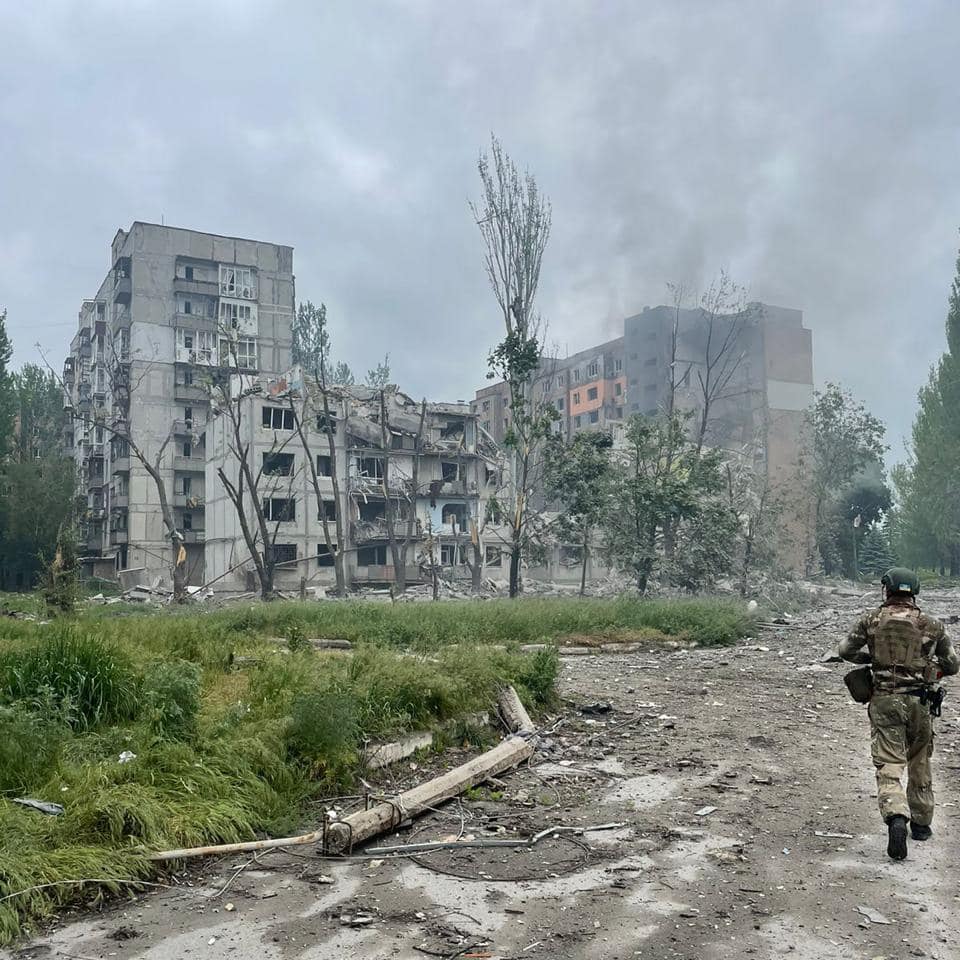








Moscow’s mass bombardment, backed by Iranian drones and North Korean shells
Russia has abandoned the rapid tank advances that failed in 2022 and is now fighting the war in Ukraine through mass bombardment, cheap drones, and foreign-supplied ammunition, according to Western military researchers.
The Centre for Strategic and International Studies, a Washington think tank, says Russian forces have shifted to a grinding strategy of attrition. The aim is to wear Ukraine down with artillery, glide bombs, and unmanned aircraft rather than punch through its lines.
The scale is enormous. Russia dropped around 8,000 glide bombs in a single recent month, with weekly totals above 1,800, according to figures shared by Euromaidan Press. Ukraine has started deploying its own home-built guided bombs in response. Defence analyst Vikram Mittal, writing in Forbes, says glide bombs will define the next phase of the war.
Drones are the other pillar. Russia mass-produces attack drones based on Iranian Shahed designs. More than 5,000 were launched at Ukraine in June 2026 alone, according to the Institute for Science and International Security. CSIS reports that specialist Russian units, including the Rubikon Centre, have driven improvements in drone and jamming technology, often built from commercial components.
Much of Russia’s ammunition now comes from North Korea. Pyongyang has supplied between 25% and 50% of Russia’s artillery shell needs since 2023, delivering millions of rounds and earning billions in return, the Kyiv Post reports. Field reports have flagged quality and reliability problems with some of the North Korean rounds, according to documented accounts of the supply arrangement.
Ukrainian air defences have shot down enough Russian aircraft and missiles to force a change in tactics. Russian pilots now launch weapons from long range rather than fly over the front, according to the Institute for the Study of War. The same institute reports that Russia is scaling up production of Kh-101 cruise missiles and Iskander ballistic missiles, and fitting North Korean technology into some Iskanders.
North Korea has supplied up to half of Russia’s artillery shells since 2023, earning Pyongyang billions in return.
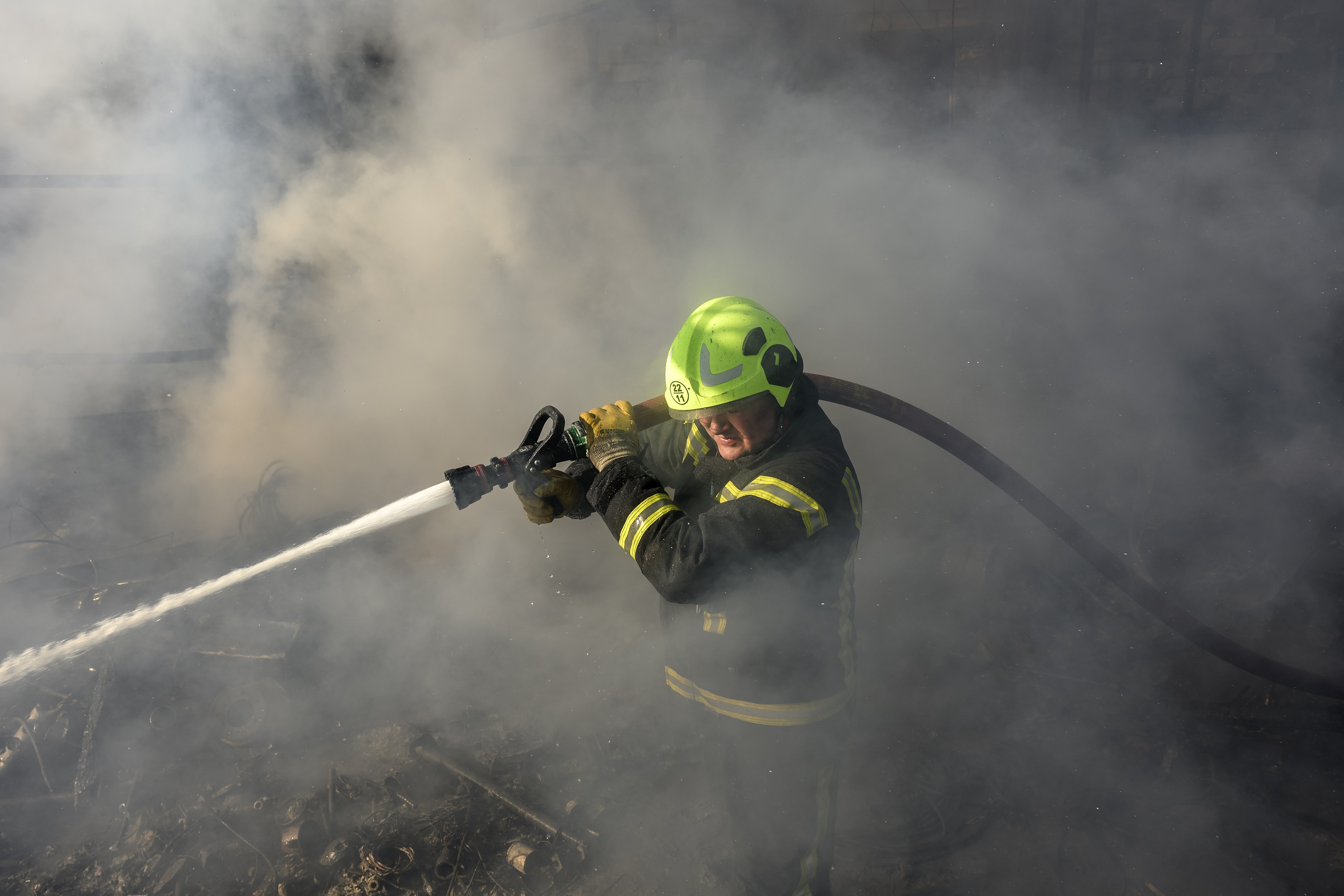
The strikes are killing record numbers of civilians. UN figures show 274 people were killed and 1,763 injured in Ukraine in May 2026, driven by missiles, glide bombs, and drones.
Ukraine has hit back with deep drone strikes on Russian airfields, supply lines, and Black Sea naval assets, pushing the Black Sea Fleet away from its bases, according to the Hudson Institute. American and British intelligence sharing has sharpened Ukrainian targeting throughout the campaign.
CSIS, the Hudson Institute and the Institute for the Study of War are all US-based research bodies funded by a mix of foundations, donations, government contracts, and defence industry money.
Analysts agree on the overall picture. Russia has adapted enough to keep fighting a war of this kind for years. What it has not done is win one. Its forces hold the initiative in parts of the Donbas but cannot achieve quick breakthroughs or control of the skies. The cost in men, money, and equipment keeps climbing on both sides.