






90 million ghost homes and a shrinking population
China’s economy is in its deepest trouble for decades. The property market is in its fifth year of decline, total debt has passed 300% of GDP, and the population is shrinking for the fourth year running.
Beijing has set a growth target of 4.5% to 5% for 2026. Forecasters polled by Reuters expect around 4.4% to 4.6%, and expect more state spending in order to prop up the figure.
The property crash sits at the heart of it. Sales, prices, and construction keep falling, and buyers are holding off because they think prices have further to drop. Estimates suggest 80 to 90 million homes sit empty or unfinished across the country.
How it happened is no mystery. For two decades China’s state-controlled banks handed out cheap loans on a scale never seen before. Cheap money made every building project look profitable. Developers borrowed, built, and borrowed again. When the cheap money slowed, the bad investments collapsed. That is what always happens when a boom is built on easy borrowing rather than real demand.
The bill is now visible. China’s total debt has climbed above 300% of GDP. Local councils, which relied on selling land to developers for much of their income, have seen that money dry up.
Ordinary Chinese citizens are paying the price. Youth unemployment sits between 15% and 17% on official figures, and a record graduation season is about to push millions more into the jobs market. Prices across the economy are flat or falling. Households have stopped spending as the value of their homes drops.
Japan tried the same after its own property bubble burst in 1990 and spent two decades going nowhere.
The population problem is getting worse too. China’s population fell by 3.39 million in 2025 to 1.405 billion. Births hit a record low of 7.92 million, roughly half of the 2016 figure.
Foreign money is wary. Net foreign investment turned negative in 2024 for the first time in decades. China Daily, a Chinese state-run outlet, has reported a rebound since, though flows remain far below their peak.
Beijing’s answer has been more government spending funded by borrowing and newly created money: special bonds, rate cuts, and support packages. Analysts describe the measures as small against the scale of the problem. Every yuan of it is either taxed from Chinese households, borrowed on top of debt already past 300% of GDP, or created from nothing. None of it undoes the bad investments. Japan tried the same after its own property bubble burst in 1990 and spent two decades going nowhere.
Pressure from Washington is adding to the strain. President Trump’s tariffs cut US imports from China sharply in 2025, according to analysis by the Peterson Institute, a US research body funded by corporate and foundation donors. Firms have shifted production to Vietnam, India, and Mexico.
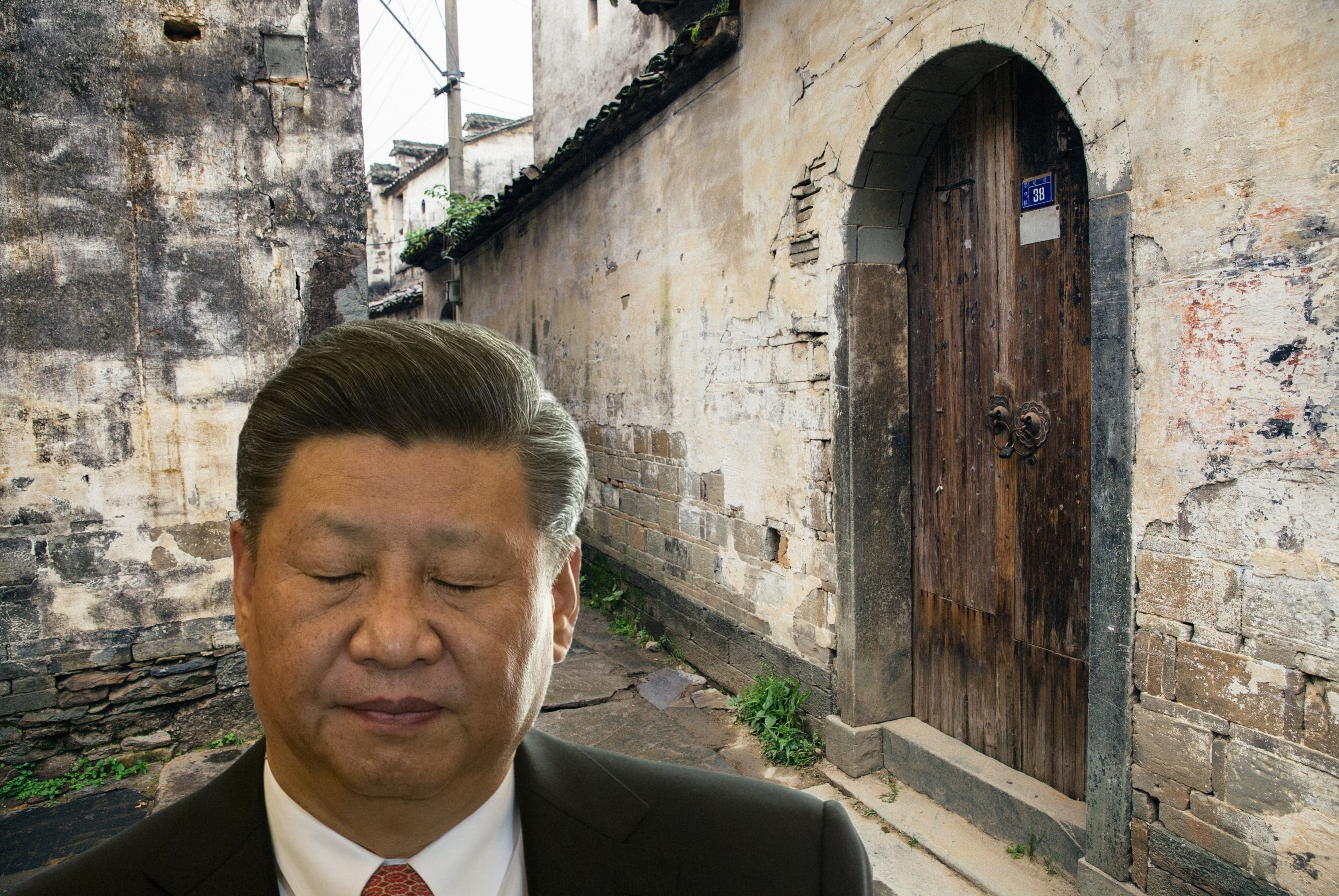
President Xi Jinping’s government continues to talk of ‘high quality development’ and ‘common prosperity’ but the slogans have not changed the numbers. Beijing is expected to announce further easing measures this year, with growth forecast to come in below the official target.